Watercolor Christmas Candy Cane Illustrations
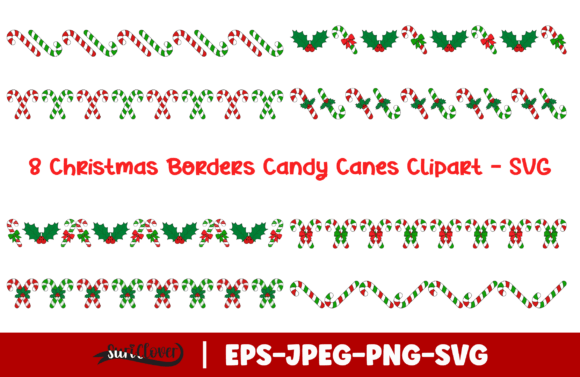
As a digital publisher and blog designer who has spent over a decade curating visual identities for content-heavy websites, I have learned that the difference between a scroll-past and a click-through often comes down to split-second visual cues. When I first opened the file package for Watercolor Christmas Candy Cane Clipart, my immediate impression was one of soft, approachable elegance. This is not the harsh, neon-bright aesthetic of discount retail flyers; rather, it is a refined collection of Illustrations that breathes warmth and nostalgia into digital spaces. For bloggers, affiliate marketers, and online educators preparing their Q4 content strategy, this asset offers a rare balance of seasonal cheer and editorial sophistication.
Setting the Editorial Mood and Reader Perception
In the world of editorial design, mood is everything. The watercolor medium inherently suggests creativity, hand-crafted care, and a personal touch. When you integrate these candy cane graphics into your blog graphics, you are signaling to your audience that your content is lifestyle-focused, thoughtful, and inviting. This specific style leans heavily into a feminine, artistic, and modern aesthetic. It avoids the cluttered look of traditional holiday clip art, opting instead for clean lines and soft blends of red, white, and subtle shadow tones.
This visual language builds reader trust. In an era where AI-generated images can feel sterile or uncanny, authentic-looking watercolor textures provide a human connection. For niches such as home decor, parenting, food blogging, or DIY crafts, this asset aligns perfectly with brand values that prioritize comfort and beauty. It supports a brand identity that is both professional and playful, ensuring that your website feels current without sacrificing the timeless appeal of the holiday season.
Real-World Publishing Workflows and Applications
The true test of any graphic design asset is its versatility within a real publishing workflow. I evaluated this collection by imagining its application across several key touchpoints in a content creator’s ecosystem. Here is how these design assets perform in practical scenarios:
- Pinterest Pins: This is arguably the strongest use case. The vertical orientation of many pin designs benefits from the organic shapes of the candy canes. Placing a watercolor cane beside bold, sans-serif headline text creates a striking contrast that drives higher click-through rates.
- Newsletter Headers: Email marketing requires visuals that load quickly but still capture attention. These illustrations serve as excellent decorative accents in newsletter banners, breaking up text blocks and adding seasonal flair without overwhelming the message.
- Digital Products and Lead Magnets: If you are creating a digital guide, eBook, or printable checklist, these graphics elevate the perceived value of the product. They work beautifully on cover pages, chapter dividers, and worksheet borders, making your digital download feel premium and polished.
- Social Media Graphics: For Instagram stories or Facebook posts, the transparent backgrounds allow for seamless integration into your existing templates. They act as perfect framing elements for promotional announcements or holiday greetings.
Enhancing Content Performance Through Visual Hierarchy
Effective web design is about guiding the eye. These candy cane illustrations are not just decorative; they are functional tools for establishing visual hierarchy. By placing a larger, more detailed cane near your primary call-to-action or headline, you draw the reader’s focus to the most important element on the page. This strategic placement can significantly improve engagement metrics.
Furthermore, consistency is key to small business branding. Using a cohesive set of Illustrations across your website header, category thumbnails, and affiliate marketing banners creates a unified visual experience. When readers recognize your visual style, they are more likely to trust your recommendations and stay longer on your site. This asset supports content marketing efforts by providing a recognizable visual signature that distinguishes your content from competitors using generic stock photography.
Strategic Placement: Where It Works Best
To maximize impact, consider deploying these graphics in high-visibility areas. Hero images on landing pages benefit from the soft, dreamy quality of watercolor, especially when paired with ample white space. Article thumbnails also gain a competitive edge in search results and social feeds when they feature unique, artistic elements rather than standard photos. Additionally, using these as accents in Canva template kits allows you to rapidly produce consistent social media graphics throughout the busy holiday season.
Cautionary Notes for Professional Use
While versatile, this asset requires careful handling in certain contexts. Avoid using these detailed watercolor textures on small mobile thumbnails where intricate details may become muddy or indistinguishable. Similarly, be cautious when placing them over busy, patterned backgrounds; the soft edges of watercolor need contrast to stand out. For corporate B2B websites or strictly minimalistic portfolios, the playful nature of candy canes might clash with a serious tone. Always ensure that the whimsical element supports, rather than distracts from, your core message.
Practical Publisher Notes for Implementation
Before launching these assets into your live environment, conduct a thorough technical review. Test the images on both desktop and mobile screens to ensure clarity. Preview the graphics within your actual blog layout to check for alignment and spacing issues. Experiment with typography: these watercolor elements pair exceptionally well with elegant serif fonts for a classic look, or clean sans-serif fonts for a modern vibe. Avoid overly ornate script fonts that might compete with the fluid lines of the paint.
Performance matters. Check the file size of each PNG or JPG to ensure they do not slow down your page load times. Compress images properly using web-friendly tools without sacrificing quality. Finally, and most importantly, confirm the commercial license terms. Ensure you have the right to use these creative design elements in monetized content, such as affiliate pages, paid courses, or physical products. Understanding licensing protects your business and ensures ethical use of creative marketplace resources.
In conclusion, Watercolor Christmas Candy Cane Clipart is a valuable addition to any digital publisher’s toolkit. It offers the flexibility needed for diverse commercial design projects while maintaining the artistic integrity that modern audiences crave. By integrating these Illustrations thoughtfully, you can enhance your visual hierarchy, strengthen your brand identity, and create a more engaging, trustworthy online presence this holiday season.